





The seven modules in the ERP suite
The suite is deliberately not one monolith. Accounting and Finance holds the double-entry general ledger, receivables and payables, bank and cash reconciliation, tax handling, cost centres and multi-branch books. Inventory and Warehouse tracks stock across locations with batch, expiry and serial numbers, reorder alerts and stock takes, valuing it straight into the ledger. Procurement structures the buying process from requisition to vendor bill. Production, Sales and CRM, Asset Management and Business Intelligence complete the set. Because all of them write to one backbone, reporting is not an export-and-merge exercise.
- Accounting & Finance: general ledger, receivables and payables, bank reconciliation, tax reporting, cost centres and multi-branch books
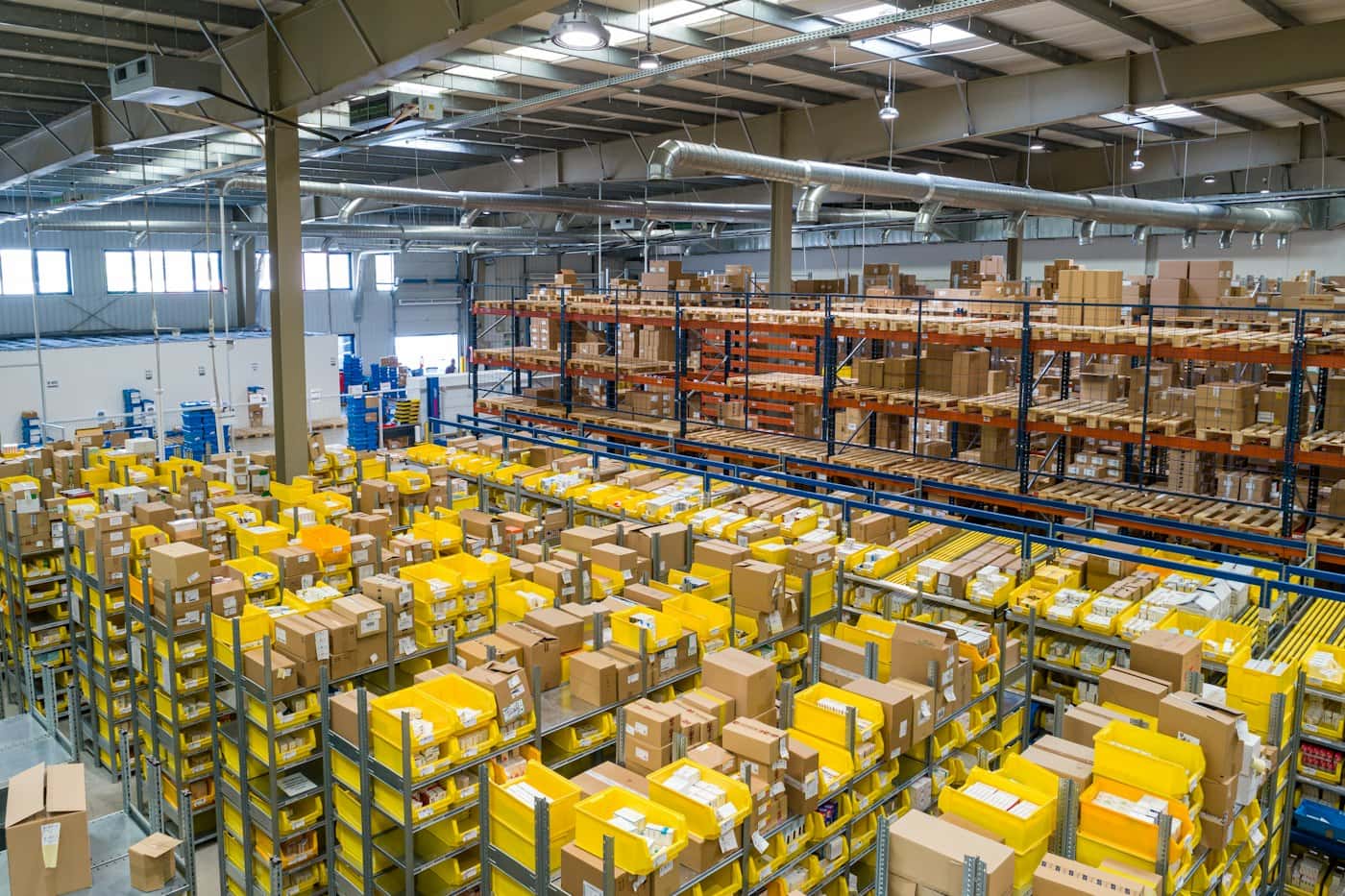
- Inventory & Warehouse: multi-location stock, goods receipts, inter-branch transfers, batch, expiry and serial tracking, reorder alerts, stock takes, valuation
- Procurement & Supply Chain: requisitions with approval chains, vendor quotation comparison, purchase orders, goods receipt notes matched to orders, landed cost
- Production & Manufacturing: bills of material, work orders, work-in-progress tracking, material consumption and wastage, per-unit costing, stage quality checks
- Sales & CRM: quotations, sales orders, delivery challans, invoicing, customer ledgers with credit limits and ageing, pricing tiers and promotions
- Asset Management: asset register by branch, automated depreciation, preventive maintenance, transfers, disposal and revaluation, warranty history
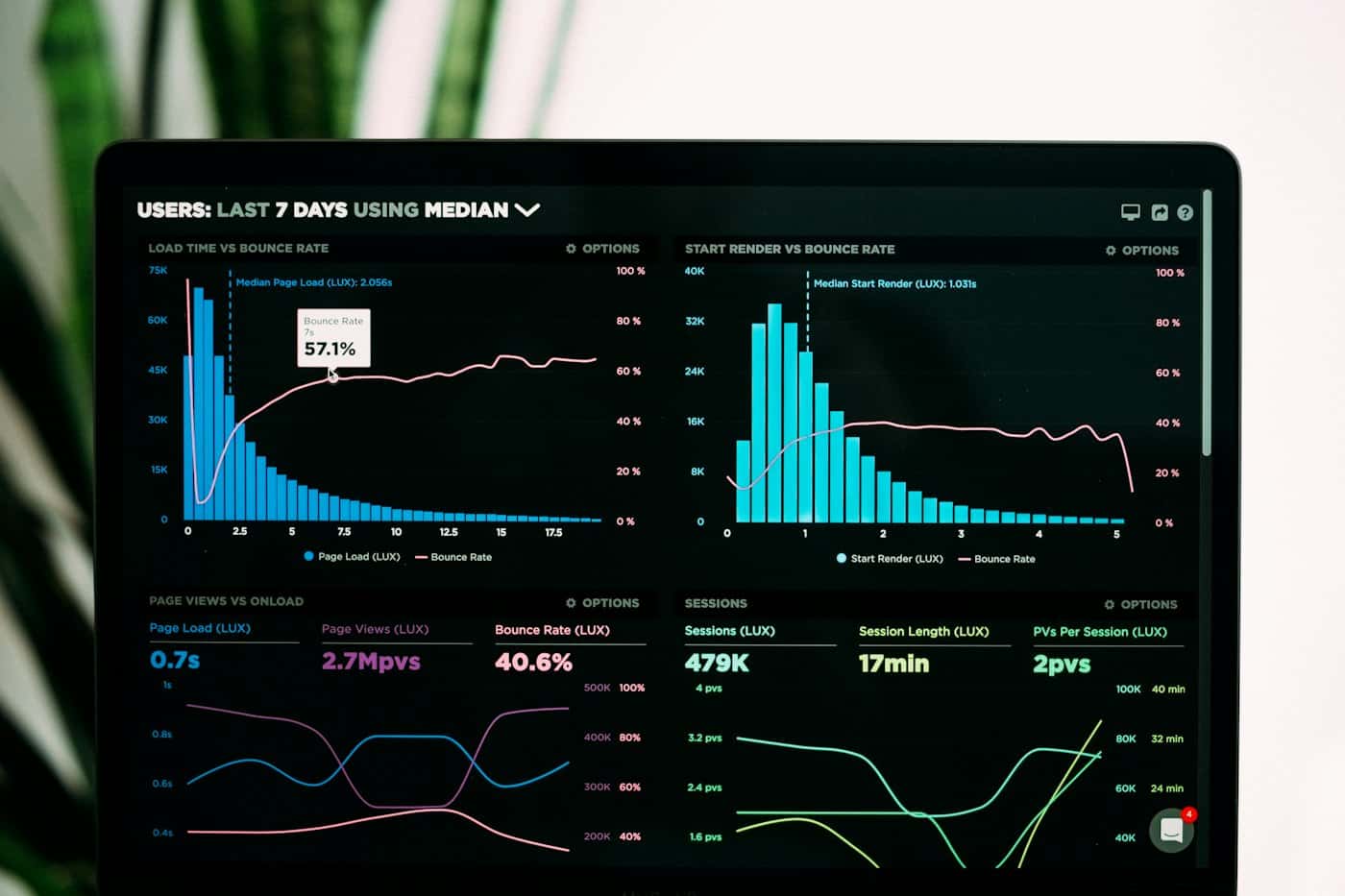
- Business Intelligence: live dashboards, drill-down from summary to transaction, branch comparison, scheduled reports, custom report builder, role-based visibility